
Daytime load match
Business sites often use the most power while solar is producing. We model operating hours, interval data and demand peaks before sizing the system.
Commercial solar
Solar Sparkies builds commercial solar pathways for NSW businesses that want lower operating costs, transparent export assumptions, quality documentation and room for batteries or EV charging later.
Business case
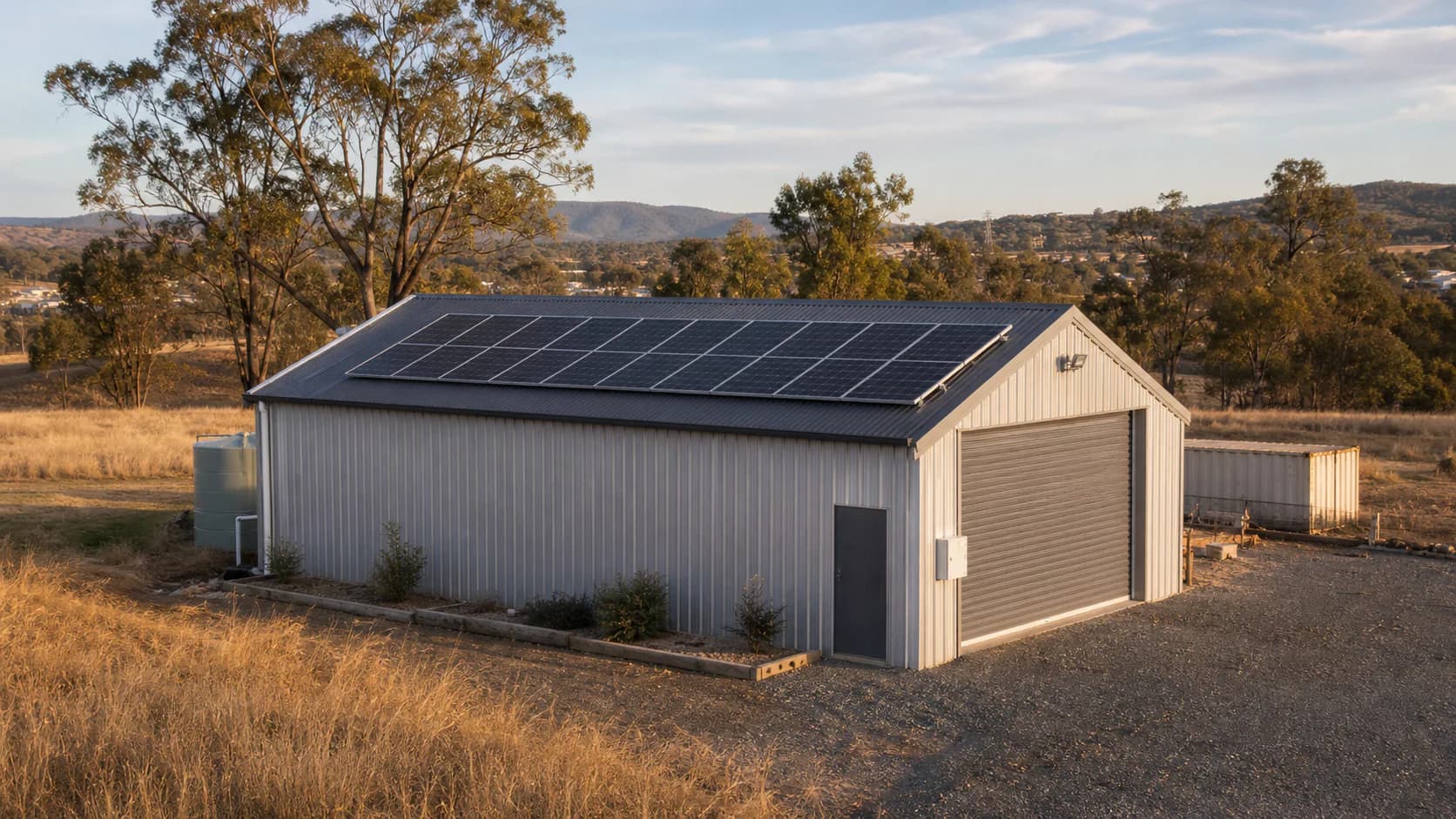
A business system is strongest when daytime generation offsets real site demand. We keep savings, export limits, product assumptions and future upgrade options separate so the proposal is easier to compare.
Business sites often use the most power while solar is producing. We model operating hours, interval data and demand peaks before sizing the system.
Solar can reduce grid imports and make future electricity costs easier to plan, especially for warehouses, workshops, retail, hospitality and schools.
Commercial batteries and EV chargers can be staged when they solve a real load problem rather than added as a generic upsell.
Project checks
Commercial solar can affect operations, roof access, metering and future electrical capacity. The design pack should make those items visible before approval.
01
Interval data, tariffs, demand charges and operating hours are reviewed before the array size is locked.
02
Roof type, wind exposure, access routes, safety controls and future service access shape the racking plan.
03
DNSP export limits, metering, switchboard capacity and approvals are made visible before installation.
04
Commissioning records, shutdown steps, warranties and monitoring credentials are included at handover.
Store daytime generation for evening operations, tariff control or selected backup circuits.
Plan staff, customer or fleet chargers around site capacity, parking layout and billing needs.
Panel, inverter and mounting choices are matched to the roof, heat exposure and monitoring requirements.
A clear handover makes facilities teams, insurers and future service providers easier to support.
Next step
A useful commercial quote starts with interval data or recent bills, roof plans if available, switchboard photos, business hours and any battery or EV charging plans.
Service areas
We map shade, tariffs, STC value, battery eligibility, switchboard readiness, commercial load timing and future EV demand before recommending a package. The first step is your postcode, bill, site type and roof notes.